

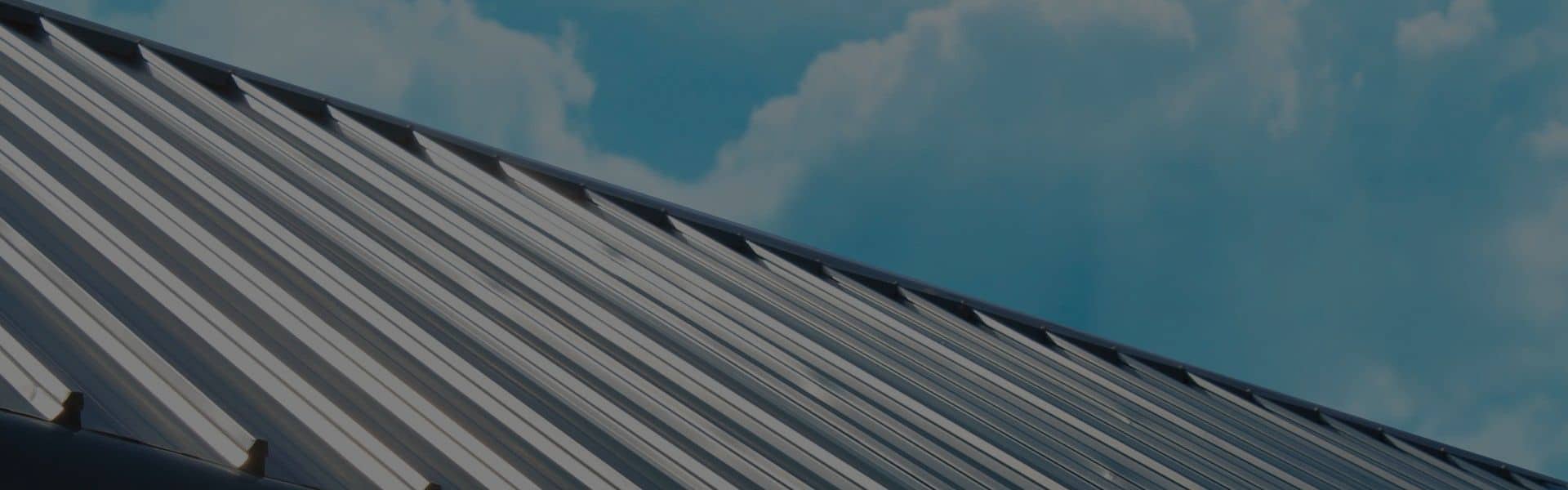

Metal Roofing Components: Sheets, Purlins, Insulation and Accessories
A metal roofing system combines sheets, purlins, insulation and accessories to provide structural support, weather protection and thermal performance. Understanding these metal roofing components helps property owners and contractors choose suitable materials for Malaysia’s hot, humid and rainy climate.
Main Components of a Metal Roofing System
A complete metal roofing system generally consists of four main component groups:
1. Metal Roofing Sheets: First, the outer layer that protects buildings from rain, sunlight and external elements.
2. Roof Purlins: Next, structural supports that hold the roofing sheets in position.
3. Roof Insulation: In addition, it helps reduce heat transfer and improve indoor comfort.
4. Roofing Accessories: Finally, this includes screws, flashing, ridge caps, gutters and other installation fittings.
Types of Metal Roofing Sheets
Metal roofing sheets come in different profiles to suit various building designs, from corrugated and metal deck sheets to concealed-fix systems such as standing seam and clip lock roofing. For a full comparison, see types of metal roofing profiles explained.
Roof Purlins and Their Functions
Roof purlins are horizontal structural members installed across roof trusses to support metal roofing sheets. Lavenda supplies truss components and accessories alongside its lightweight roof truss systems.
Common types include:
1. C-Purlins: For example, C-shaped steel sections commonly used in lightweight roofing.
2. Z-Purlins: Similarly, Z-shaped sections suitable for overlapping connections and continuous roof structures.
3. Hat Purlins: Likewise, hat-shaped sections used in lightweight roofing and cladding.

Types of Metal Roof Insulation and Their Benefits
Roof insulation helps reduce heat transfer, improve indoor comfort and control noise. A U-value calculation and STC calculation help confirm the right insulation for thermal and acoustic needs.
Common types include:
1. Aluminium Foil: Reflects radiant heat and, as a result, reduces heat entering the building.
2. Glasswool: Provides both thermal and sound insulation.
3. Rockwool: In addition to thermal insulation, it offers sound absorption and fire resistance.
4. PU Foam: Provides effective thermal insulation and can also be integrated into roofing panels.
Essential Metal Roofing Accessories and Their Functions
Metal roofing accessories help secure the roof, prevent water leakage and complete the installation.
1. Roofing Screws: First, they secure sheets to the supporting structure.
2. Ridge Caps: Cover the highest point of the roof, so rain cannot enter at the ridge.
3. Flashing: Similarly, protect roof joints and edges from water penetration.
4. Gutters: In addition, they collect and direct rainwater away. See Lavenda’s rainwater goods.
5. Sealants: Seal gaps and joints in order to prevent leakage.
6. Insulation Support Mesh: Finally, it holds insulation in position during installation.
How Do Metal Roofing Components Work Together?
In other words, each component serves a specific role in creating a complete roofing system.
1. Roof Trusses: First, they provide the main structural framework.
2. Purlins: Then they support the roofing sheets.
3. Insulation: Next, it reduces heat transfer and improves comfort.
4. Metal Roofing Sheets: After that, the sheets protect the building from weather.
5. Accessories: Finally, they secure joints, prevent leaks and manage rainwater.
How to Choose the Right Metal Roofing Components?
Before selecting roofing materials, consider these important factors:
1. Building Requirements: First, identify whether the project involves residential, commercial or industrial roofing.
2. Roof Design: Next, consider roof pitch, span, drainage and structural requirements.
3. Material Specifications: Check sheet thickness, coating (such as COLORBOND® steel), purlin dimensions and insulation properties.
4. Weather Conditions: Also select materials suitable for Malaysia’s rainfall, humidity and temperature.
5. Budget: Finally, compare material quality, installation requirements and long-term maintenance costs.
Metal Roofing Components Price Guide
Metal roofing costs vary depending on material specifications, quantity and installation requirements.
Indicative Klang Valley prices:
- Metal Roof Decking (0.47–0.48mm): RM75–RM85/m²
- Rockwool Insulation (50mm): RM28/m²
- Aluminium Foil: RM12–RM15/m²
- Insulation Support Mesh: RM3.50/m²
- Ridge Capping: RM45–RM55/m
- Roof Flashing: RM65–RM120/m
However, prices are estimates and may vary based on material grade, project requirements and installation scope.

Frequently Asked Questions (FAQs)
Q: What is the standard thickness of metal roofing sheets?
A: Generally, common thicknesses range from 0.35mm to 0.60mm.
Q: Is metal roofing suitable for houses?
A: Yes, because it is lightweight, durable and versatile.
Q: Can metal roofing withstand heavy rain?
A: Yes, as long as installation and drainage are done properly.
Q: Does metal roofing make houses hotter?
A: Not necessarily, because insulation and ventilation help reduce heat.
Q: Do I need insulation under a metal roof?
A: It’s strongly recommended in Malaysia’s climate. Insulation such as aluminium foil, glasswool or rockwool reduces heat transfer and rain noise, and a U-value calculation helps you choose the right type.
What Makes Lavenda Building Systems Different?
With over 20 years of experience, Lavenda Building Systems provides roofing and walling solutions in Malaysia.
1. Proven Product Performance: In particular, tested solutions for project requirements.
2. Authenticity & Traceability: Genuine material sourcing and identification.
3. Material & Quality Assurance: Above all, a focus on material standards and quality.
4. TRUE One-Stop Solutions Provider: In short, integrated roofing, truss and walling solutions.
Understanding the different metal roofing components is essential for planning a durable and functional roofing system. From roofing sheets and purlins to insulation and accessories, every component contributes to the overall performance of the roof. Therefore, by selecting suitable materials and working with an experienced roofing provider, property owners and developers can achieve better long-term roofing performance.
Looking for metal roofing, lightweight steel truss or walling solutions in Malaysia? Contact Lavenda Building Systems to discuss your project requirements and explore suitable roofing solutions for your building.

Pingback: Metal Roof Flashing: Types, Placement and Common Leak Points