

Metal Cladding Installation: Subframe, Fixing and Weatherproofing
Metal cladding improves building protection, appearance and durability while offering various colours, finishes and designs. However, proper metal cladding installation is essential for long-term performance. This guide covers metal cladding types, installation methods, costs and maintenance in Malaysia.
Understanding Metal Cladding Installation
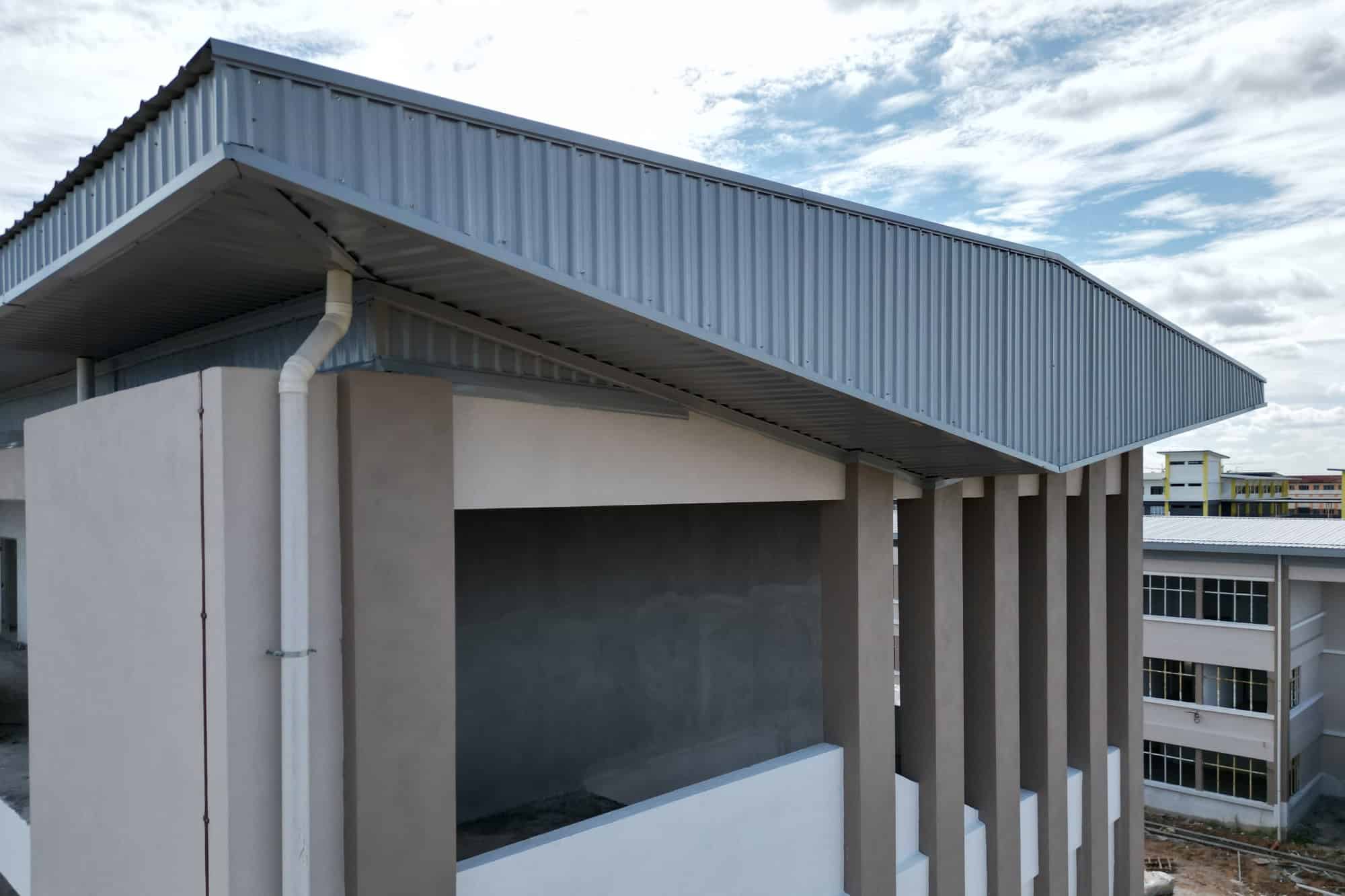
Metal cladding installation involves attaching metal panels to a building’s walls using a supporting framework. A typical system consists of three main components:
- Metal Panels: Provide external protection and the desired appearance.
- Subframe: Supports and secures the metal panels.
- Fixings and Accessories: Include screws, brackets, flashings and sealants to secure the panels and prevent water entry.
Common Types of Metal Used in Cladding
Different metals offer varying levels of durability, weight and corrosion resistance, so choose one that suits the site conditions. Common options include:
1. Aluminium: Lightweight as well as corrosion-resistant.
2. Galvanised Steel: Zinc-coated so it resists rust.
3. Zinc-Aluminium Coated Steel: Offers improved corrosion resistance. Lavenda uses BlueScope’s ZINCALUME® and COLORBOND® steel, both built on an aluminium-zinc coating.
4. Stainless Steel: Durable and also offers good corrosion resistance.
Popular Metal Cladding Systems
Metal cladding also comes in different profiles to suit various building designs and requirements:
1. Standing Seam: Features raised joints for a clean finish.
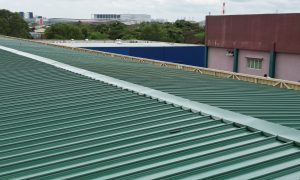
2. Corrugated Panels: Offer a wave-shaped profile, which also adds rigidity.
3. Ribbed Panels: Feature raised lines for strength as well as visual appeal.
4. Flat Metal Panels: Provide a smooth, modern facade finish.
Lavenda’s metal cladding Malaysia range covers both concealed-fix and screw-fix profiles for roof and wall applications.
Applications of Metal Cladding
Metal cladding suits industrial, commercial, residential and agricultural buildings, from factories and warehouses to offices, homes and storage facilities. For a closer look at how it’s used in commercial projects, read our guide to metal cladding applications in modern commercial architecture.
Benefits of Metal Cladding Installation
Metal cladding offers several practical benefits for residential, commercial and industrial buildings:
1. Weather Protection: Shields external walls from rain and sunlight.
2. Durability: Moreover, with suitable coatings it resists environmental exposure.
3. Lightweight: Also adds less structural load than heavier wall finishes.
4. Design Flexibility: Available in various colours, profiles and finishes.
5. Low Maintenance: Because the coating protects the metal, it requires less frequent upkeep.
6. Faster Installation: In addition, prefabricated panels help reduce installation time.
Metal Cladding Installation Price Range in Malaysia
Metal cladding installation costs depend on the material, panel thickness, coating and project complexity. Estimated costs include:
- Material Supply: RM80–RM250 per m².
- Installation Labour: RM50–RM200 per m².
- Estimated Total: RM150–RM450 per m².
However, site access, wall height and the subframe required can change the final figure, so ask for a project-specific quotation before you budget.
Subframe, Fixing and Weatherproofing Details
A durable metal cladding system requires proper subframe support, secure panel fixing and effective weatherproofing.
1. Subframe Installation
- Use galvanised steel or aluminium support sections.
- Then check wall alignment and supporting conditions.
- Ensure brackets and battens are properly secured.
- Also allow for ventilation and drainage where required.
2. Metal Panel Fixing
- Secure panels using screws, concealed clips or interlocking joints.
- Then follow the recommended fixing spacing.
- In addition, allow for thermal movement.
- Finally, ensure fixings can withstand expected wind loads.
3. Weatherproofing
- Install suitable waterproof membranes.
- Then apply compatible sealants at designated joints.
- Also fit flashings around windows, doors and roof connections.
- Finally, provide proper drainage to prevent water accumulation.
Metal Cladding Installation Process: Step-by-Step
A typical installation follows these six stages:
1. Site Inspection: Measure the wall area, assess the existing structure and prepare a shop drawing for the panel layout.
2. Surface Preparation: Next, repair unsuitable surfaces and confirm installation requirements.
3. Subframe Installation: Then install brackets, support rails and battens.
4. Membrane Installation: After that, apply the specified weather-resistant membrane.
5. Panel Installation: Next, position and secure metal panels according to the approved layout.
6. Final Inspection: Finally, check panel alignment, joints, fixings, flashings and drainage details.
Maintenance of Metal Cladding
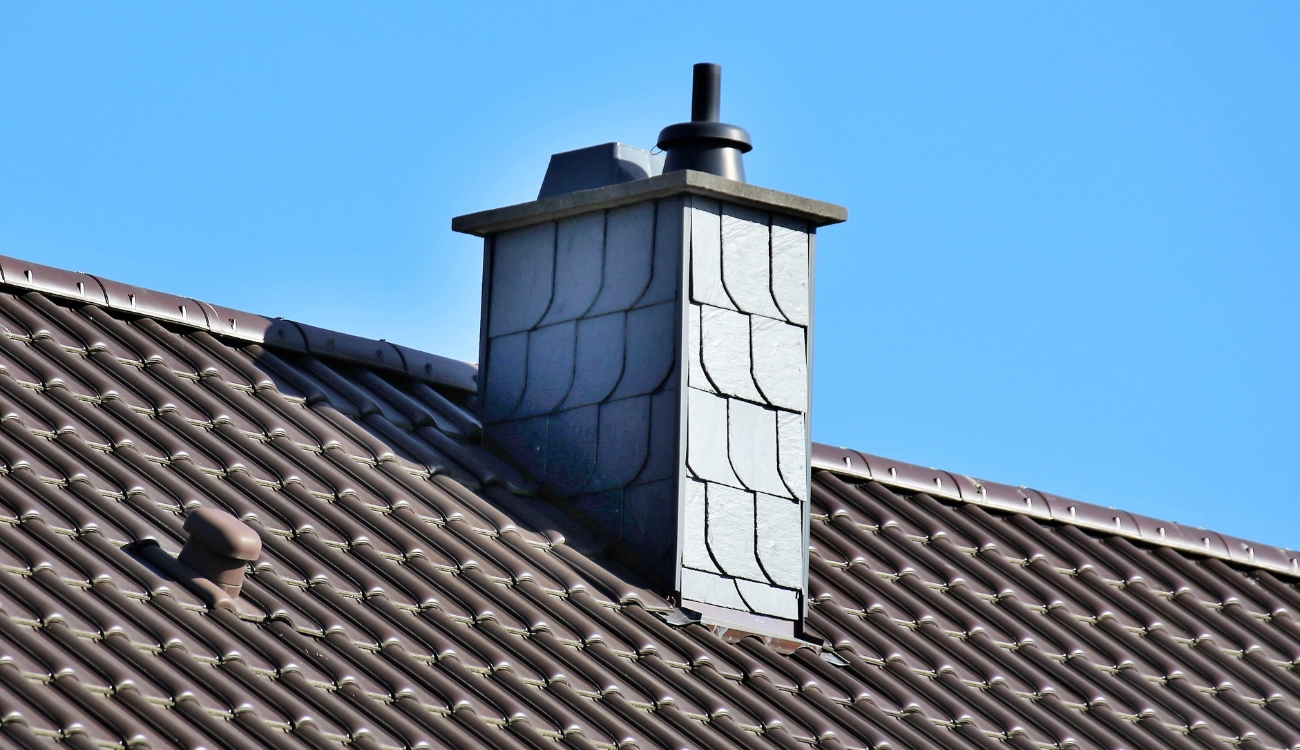
In addition, regular maintenance helps extend the lifespan and preserve the appearance of metal cladding. Key maintenance tasks include:
1. Clean Panels: First, remove dirt and debris using suitable cleaning methods.
2. Inspect Surfaces: Then check for scratches, dents and corrosion.
3. Check Fixings: Also ensure screws, clips and joints remain secure.
4. Clear Drainage: Remove debris from drainage openings.
5. Check Sealants: Finally, replace damaged sealants and flashings when necessary.
Frequently Asked Questions (FAQs)
Q: Does metal cladding provide insulation?
A: Metal panels alone offer limited insulation, but adding an insulation layer behind the cladding helps reduce heat transfer. A U-value calculation confirms the thermal performance before installation.
Q: Is metal cladding fire-resistant?
A: It depends on the material, core and fire-rating certification, so always check the product’s fire rating.
Q: Can metal cladding be installed vertically?
A: Yes. In fact, installation can be vertical or horizontal, depending on the panel design.
Q: Does metal cladding fade?
A: Some colour change can occur over years of sun exposure. Pre-painted coated steel such as COLORBOND® steel is designed to hold its colour longer in harsh sunlight.
Q: How long does metal cladding installation take?
A: It depends on the wall area, site access and cladding system. Prefabricated panels and a prepared subframe usually make installation faster than traditional wall finishes.
About Lavenda Building Systems
With over 20 years of experience in Malaysia’s building industry, Lavenda Building Systems specialises in Lightweight Steel Truss, Metal Roofing and Walling solutions. We prioritise quality, practical building solutions and consistent project delivery across various sectors. Our experience allows us to support different construction requirements with suitable building system solutions.
Metal cladding installation involves several important considerations, from selecting suitable materials to installing the subframe, securing panels and providing effective weatherproofing. As a result, following the correct installation methods and carrying out regular maintenance helps building owners improve the durability and performance of their cladding systems.
Contact Lavenda Building Systems to discuss your requirements. Our team is ready to help you identify suitable solutions for your building needs.

Leave a Reply