
Metal Roofing for Factories & Warehouses vs. Residential Homes
Metal roofing is widely used in Malaysia for factories, warehouses and residential homes because of its durability, relatively low maintenance needs and suitability for different building designs. However, each building has different roofing requirements. Factories and warehouses often need large roof spans, efficient rainwater drainage and good heat control. Residential homes, on the other hand, require roofing that balances durability, comfort, appearance and cost. Understanding these differences helps property owners choose the right metal roofing system for their buildings.
What Is Metal Roofing?
Metal roofing uses materials such as steel, aluminium or zinc-aluminium-coated steel. It suits various building types and offers durability with relatively low maintenance.
Common Applications:
- Factories and warehouses
- Commercial buildings and shop lots
- Residential homes and extensions
- Agricultural and storage facilities
In Malaysia, metal roofing must withstand heavy rain, high humidity and strong sunlight. Suitable materials, protective coatings and proper installation help ensure long-term performance.
Metal Roofing for Factories & Warehouses vs. Residential Homes
Industrial roofing prioritises durability, structural performance and operational efficiency, while residential roofing focuses on comfort and appearance.
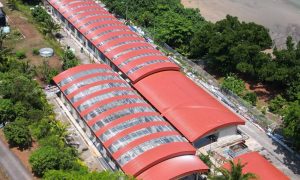
Factories & Warehouses
- Large Roof Coverage: Suitable for wide spans and extensive roof areas.
- Structural Strength: Designed to meet roof-span and wind-load requirements.
- Heat Control: Insulation and ventilation help manage indoor temperatures.
- Rainwater Drainage: Proper slopes, gutters and downpipes handle heavy rainfall.
- Operational Efficiency: Durable materials help reduce maintenance disruptions.
- Corrosion Resistance: Protective coatings help resist moisture and harsh conditions.
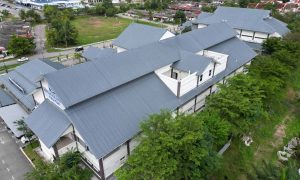
Residential Homes
- Comfort: Insulation helps reduce heat and rain noise.
- Appearance: Various profiles and colours suit different home designs.
- Weather Protection: Proper installation helps prevent leaks.
- Maintenance: Regular checks identify corrosion and damaged sheets.
For industrial buildings, prioritise structural strength, weather resistance, drainage and operational needs when selecting metal roofing.
Types of Metal Roofing for Different Buildings
Different metal roofing profiles suit different building sizes, roof designs and performance requirements.
- Standing Seam Roofing: Concealed fasteners and raised seams provide a clean finish and effective water drainage.
- Clip Lock Roofing: Concealed clips secure roof sheets, making it suitable for many industrial and commercial buildings.
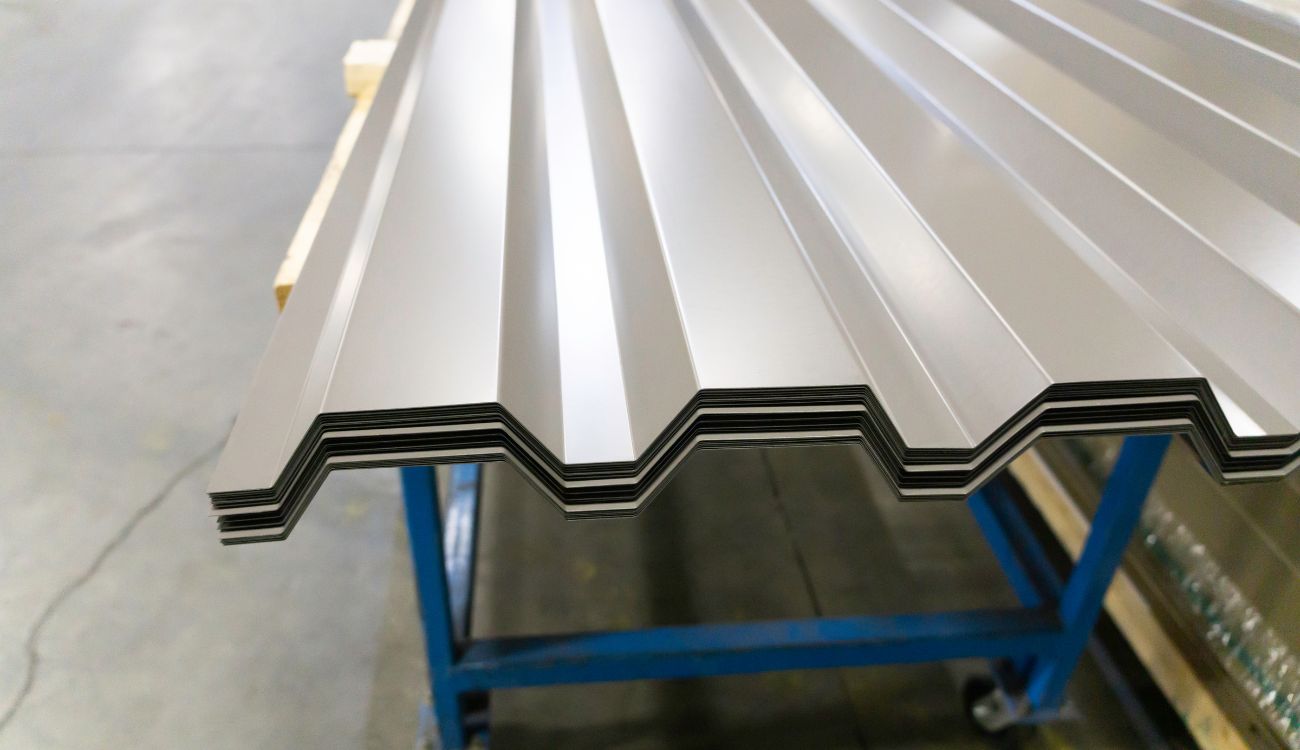
- Metal Deck Roofing: A practical choice for large factories and warehouses.
- Corrugated Metal Roofing: Commonly used for residential extensions, sheds and selected industrial buildings.
- Insulated Metal Roofing: Helps reduce heat transfer and indoor noise.
Choose a suitable profile based on roof slope, structural support, drainage needs and project specifications.
Metal Roofing Pricing in Malaysia
Metal roofing prices depend on the material, thickness, profile, insulation and installation requirements. As a general guide, standard installed systems may cost around RM9–RM20 per sq ft, while premium systems may cost more.
Key Cost Factors:
- Material & Thickness: Higher-grade materials may cost more.
- Roof Design: Large or complex roofs affect labour costs.
- Insulation: Additional insulation increases upfront costs.
- Roof Structure: Steel trusses and purlins add to the budget.
- Installation: Labour, gutters, flashings and fasteners affect the final price.
Request a detailed quotation based on your building’s specifications and site conditions.
How to Choose the Right Metal Roofing for Your Building?
Choosing the right metal roofing depends on your building’s purpose, structure and budget.
- Building Purpose: Consider operational needs for factories and warehouses.
- Structural Strength: Check roof spans and wind load requirements.
- Weather Resistance: Choose suitable materials and protective coatings.
- Insulation: Consider heat control and ventilation needs.
- Budget & Maintenance: Compare installation costs and long-term upkeep.
Consult an experienced roofing supplier to find a suitable system for your project.
Frequently Asked Questions (FAQs)
Q: How long does a metal roof last in Malaysia?
A: A metal roof can last 20–50 years, depending on the material, coating, installation and maintenance.
Q: Is metal roofing noisy during heavy rain?
A: Yes, rain can create noise, but suitable insulation and ceiling systems can help reduce it.
Q: Can metal roofing rust over time?
A: Yes. Scratches, damaged coatings and prolonged moisture exposure can cause corrosion.
Q: What is the best thickness for metal roofing?
A: The suitable thickness depends on the roofing profile, structural design, load requirements and manufacturer specifications.
Q: Does metal roofing require regular maintenance?
A: Yes. Periodic inspections help identify loose fasteners, damaged coatings, leaks and blocked gutters.
About Lavenda Building Systems
Lavenda Building Systems has over 20 years of experience in Malaysia’s lightweight steel truss, metal roofing and walling industry. The company provides roofing and building solutions for projects across various sectors. With a focus on material quality, practical planning and project requirements, Lavenda Building Systems helps customers find suitable solutions for their building needs.
Metal roofing for factories and warehouses prioritises durability, drainage and structural performance, while residential roofing focuses on comfort and appearance. Choosing the right materials and roofing system helps ensure long-term performance and cost efficiency.
Looking for metal roofing for a factory, warehouse or residential home in Malaysia? Contact us now to discuss your project requirements and explore suitable roofing solutions.

Leave a Reply