
Types of Metal Roofing Profiles Explained
Choosing a metal roof is not only about selecting the right material. The roofing profile also affects water drainage, strength, appearance, installation and overall cost. With Malaysia’s hot climate, heavy rainfall and high humidity, choosing a suitable profile is important for long-term roof performance. This guide explains the types of metal roofing profiles, including their key features, applications, prices and suitability for Malaysian buildings.
What Is a Metal Roofing Profile?
A metal roofing profile refers to the shape and design formed into a metal roofing sheet. These profiles may have waves, ribs, trapezoidal sections or concealed joints. The profile affects how the sheet handles rainwater, loads and wind. It can also influence the roof’s appearance and installation method. Common metal roofing profiles include corrugated, ribbed, trapezoidal and standing seam designs. The right choice depends on the building type, roof structure, budget and local weather conditions.
Common Types of Metal Roofing Profiles
Metal roofing profiles vary in shape, strength and installation method. Common options include:
- Standing Seam: Concealed fasteners and raised seams for a clean, modern finish.
- Clip Lock: Interlocking panels secured with concealed clips, helping provide a neat appearance.
- Deck: Ribbed or trapezoidal profile designed for strength and larger roof areas.
- Corrugated: Wave-shaped sheets that are lightweight, practical and widely used.
Ribbed: Raised ribs provide stiffness and support efficient water drainage. - Trapezoidal: Angular ribs offer good strength and are commonly used for commercial and industrial buildings.
- Box Profile: Straight, box-shaped ribs suitable for warehouses, workshops and commercial buildings.
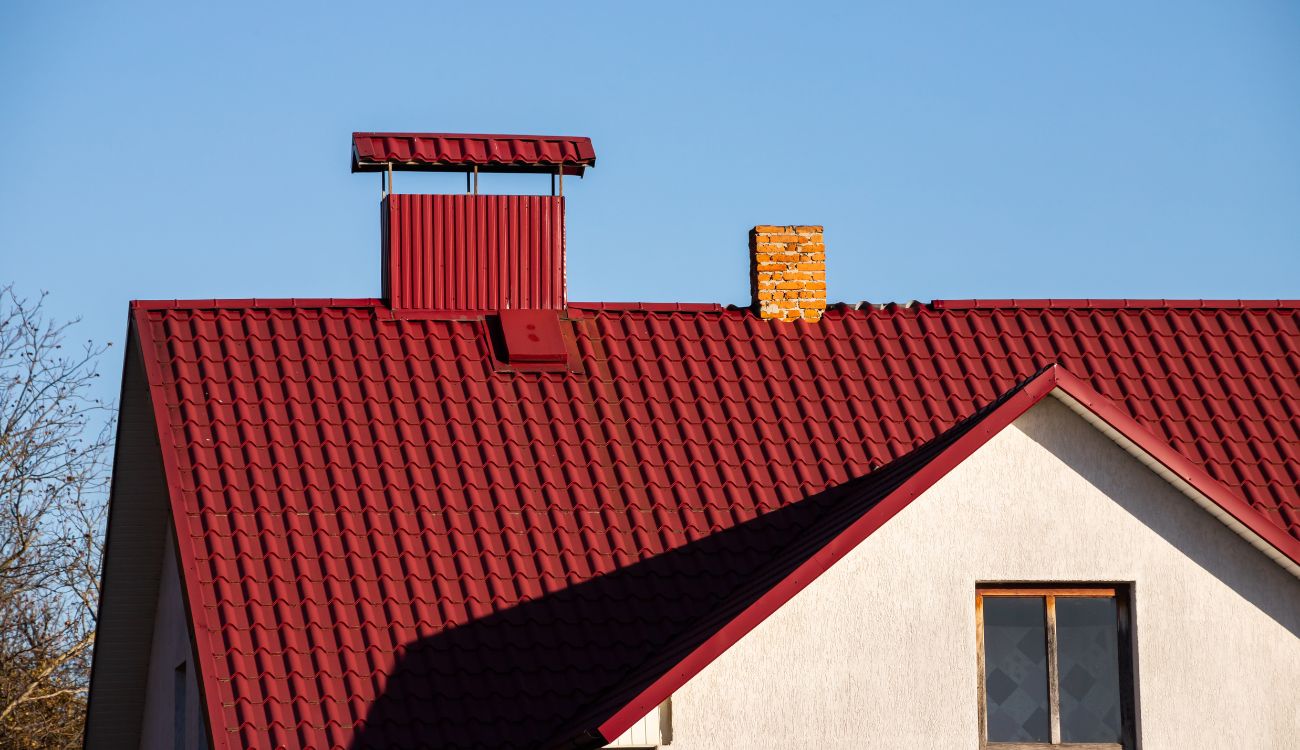
- Tile Profile: Metal sheets shaped to resemble traditional roof tiles, often used for residential projects.
Metal Roofing Profiles Comparison
Different profiles offer different levels of strength, appearance and installation flexibility.
- Standing Seam & Clip Lock: Clean finish with concealed fixing systems.
- Deck & Trapezoidal: Strong profiles suited to larger commercial and industrial roofs.
- Corrugated & Ribbed: Practical options for residential and general building applications.
- Box Profile: Simple, durable and suitable for warehouses and commercial buildings.
- Tile Profile: Provides a tile-like appearance with the lighter weight of metal roofing.
How to Choose the Right Metal Roofing Profile?
Start by considering five factors:
- Building type: Residential, commercial and industrial buildings have different roofing requirements.
- Roof design: Roof shape and pitch affect drainage and sheet selection.
- Weather exposure: Heavy rain, strong sunlight and humidity should be considered.
- Budget: Material, accessories and installation all contribute to the final cost.
- Maintenance needs: Choose a system that is practical to inspect, clean and repair.
Best Metal Roofing Profiles for Malaysian Weather
Malaysia’s hot, humid climate and frequent heavy rain require roofing profiles with good drainage, durability and corrosion resistance.
Key considerations include:
- Standing Seam & Clip Lock: Concealed fixing helps reduce exposed points.
- Deck & Trapezoidal: Suitable for larger roofs and heavy rain drainage.
- Corrugated & Ribbed: Practical for residential and general applications.
- Suitable Coating: Helps protect against humidity, sunlight and corrosion.
- Proper Installation: Correct roof pitch, overlaps and flashing are essential for water protection.
Metal Roofing Profile Price Range in Malaysia
Metal roofing prices vary based on the profile, material, thickness and coating. A general guide is RM8–RM20+ per sq. ft., while complete roofing systems may cost more.
Key cost factors include:
- Profile type: Standing Seam, Clip Lock, Deck and others.
- Material & thickness: Higher specifications generally cost more.
- Coating: Better corrosion protection may increase the price.
- Installation: Labour, flashing, insulation and accessories add to the total.
- Roof size & design: Larger or more complex roofs may have higher installation costs.
Frequently Asked Questions (FAQs)
Q: What is the minimum roof pitch for metal roofing?
A: The required roof pitch varies by profile and manufacturer. Check the product specifications before installation.
Q: Can metal roofing be installed over an existing roof?
A: In some cases, yes. The existing roof structure and condition should be inspected first.
Q: Is metal roofing suitable for a low-slope roof?
A: Certain metal roofing systems can be used for low-slope applications, provided the profile and drainage design are suitable.
Q: How often should a metal roof be inspected?
A: A roof inspection at least once a year can help identify loose fixings, corrosion, damaged sheets and drainage issues early.
Q: Can metal roofing be customised in different colours?
A: Yes. Many metal roofing systems are available in a range of colours and finishes, subject to the selected material and coating.
Why Choose Lavenda Building Systems?
With over 20 years of experience, Lavenda Building Systems specialises in Lightweight Steel Truss, Metal Roofing and Walling solutions. Our experience covers projects across different sectors, allowing us to recommend roofing systems based on practical project requirements.
Understanding different metal roofing profiles makes it easier to compare strength, appearance, installation and cost. The best option depends on your building design, budget, weather exposure and long-term requirements.
Planning a new roof or replacing an existing one? Contact us to discuss your project requirements and find a suitable metal roofing profile for your building.

Leave a Reply